Classic Western Style: Bold Vintage Typography for Authentic Branding
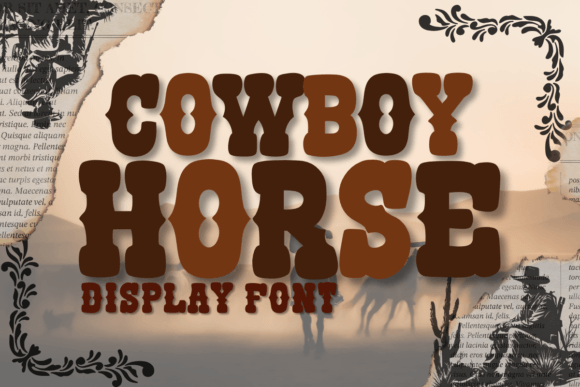
There’s something unmistakable about the typography of the American frontier. It’s bold, weathered, and full of character. Classic Western Style captures that rugged, nostalgic spirit in a modern digital typeface. This isn’t just another display font—it’s a design asset with a distinct personality, built to evoke saloons, cowboy culture, and the timeless appeal of old Western posters. If you’re working on a project that needs an authentic retro Americana look, this font delivers.
Visual Character and Personality
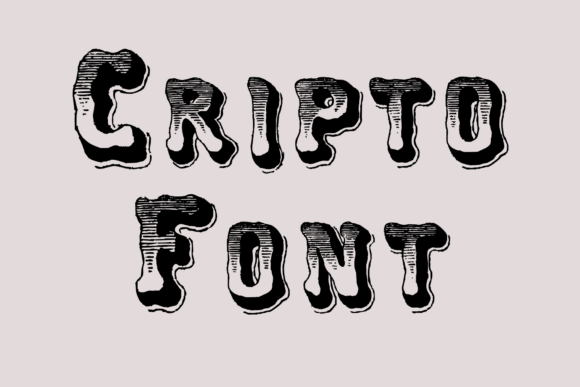
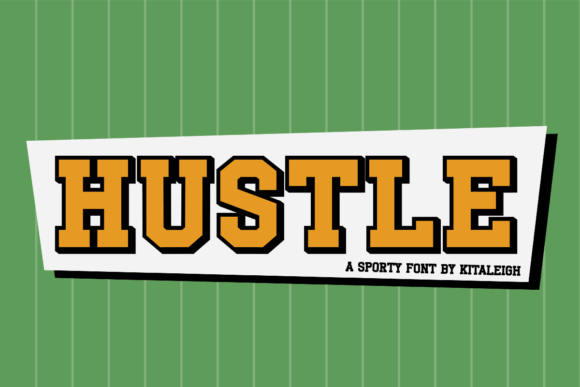
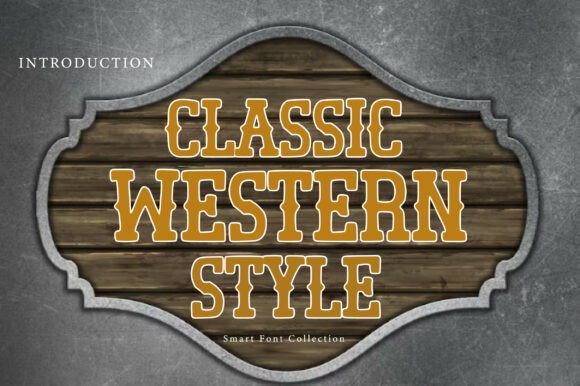
At its core, Classic Western Style is a slab serif font with strong, sturdy letterforms. The serifs are pronounced and block-like, giving each character a grounded, substantial feel. The overall design balances vintage charm with clean legibility, making it versatile for both headlines and shorter text blocks. It carries a sense of heritage without feeling outdated—a tricky balance that many vintage-inspired fonts struggle to achieve.
The font’s personality is confident and unapologetic. It doesn’t whisper; it speaks clearly with a voice that recalls hand-painted signage and woodtype posters. The weight and structure suggest durability, which translates well to projects aiming for a rustic, rugged, or classic American aesthetic. Whether you’re designing a logo for a craft brewery, creating packaging for artisan goods, or developing social media graphics for a country music brand, Classic Western Style brings an immediate visual association with authenticity and tradition.
Where This Font Shines: Real-World Applications
Understanding where a typeface works best is key to using it effectively. Classic Western Style excels in contexts where you want to make a bold visual statement without sacrificing clarity. Here’s where it truly shines:
- Logo Design and Brand Identity: This font is a natural fit for brands in the food and beverage industry, outdoor apparel, rustic home goods, and heritage-style businesses. It helps establish a brand identity that feels established and trustworthy.
- Poster and Editorial Design: For event posters, magazine headlines, or book covers with a Western or vintage theme, the font commands attention. Its strong presence works well in editorial design where hierarchy matters.
- Packaging Design: Think hot sauce labels, craft beer bottles, or artisanal coffee bags. The font’s textured, classic look adds perceived value and storytelling to physical products.
- Apparel and Merchandise: From t-shirts to hats, Classic Western Style translates beautifully to screen printing and embroidery. Its bold lines hold up well across different materials and sizes.
- Signage and Environmental Graphics: Restaurants, bars, and storefronts aiming for a vintage vibe can use this font for menus, window decals, and interior signs that feel cohesive and thematic.
- Digital and Social Media: While it’s a display font, it works effectively in web banners, YouTube thumbnails, and Instagram graphics where you need to grab attention quickly. Just pair it wisely with more readable body fonts.
It’s less suited for long-form body text or applications requiring delicate, modern minimalism. This is a font with presence—it wants to be seen, not overlooked.
How Typography Influences Brand Perception
Your font choice does more than display words; it shapes how people feel about your brand. Classic Western Style influences perception in several tangible ways:
- Readability and Hierarchy: As a bold serif font, it creates clear visual hierarchy. Use it for headlines and subheadings to guide the viewer’s eye through your design.
- Brand Recognition: Distinctive typography helps brands stand out. A consistent use of Classic Western Style across marketing materials can become a recognizable element of your visual identity.
- Emotional Connection: Fonts carry cultural associations. This typeface taps into feelings of nostalgia, adventure, and authenticity—powerful emotions for audiences seeking genuine, story-driven brands.
- Professionalism: A well-chosen, premium font signals attention to detail. It shows you’ve considered every aspect of your design, which builds trust with your audience.
When paired with complementary typefaces—like a clean sans serif font for body text or a subtle script font for accents—it creates a balanced, professional typographic system. Avoid pairing it with other highly decorative fonts, which can lead to visual clutter.
Practical Guidance for Designers and Creators
Choosing the right font involves more than just liking how it looks. Here’s how to evaluate and implement Classic Western Style effectively:
- Evaluate Project Fit: Ask yourself if your project’s tone aligns with the font’s personality. It’s perfect for brands with a story rooted in tradition, craftsmanship, or Americana. It might clash with ultra-modern, tech-focused, or minimalist aesthetics.
- Test Font Pairings: Experiment with combinations. A geometric sans serif font like Montserrat or a simple handwritten font can provide contrast without competing. Always test pairings in context—view them at different sizes and in actual layouts.
- Review Included Styles: Check what weights and styles are included. Does it come with alternates or swashes? Understanding the full range of the creative font helps you use it more flexibly.
- Consider Readability: At small sizes or in long paragraphs, even the best display fonts can become hard to read. Use Classic Western Style strategically for impact, not for every line of text.
- Understand Licensing: For commercial projects, ensure you have the appropriate commercial font license. This protects you legally and supports the type designers who created the asset.
Ultimately, typography is a tool. Classic Western Style is a powerful one when used with intention. It brings a slice of history into modern design, helping you craft visuals that resonate and endure. Whether you’re a designer building a brand system, an entrepreneur launching a product, or a content creator developing a visual style, this typeface offers a distinctive voice worth exploring.